

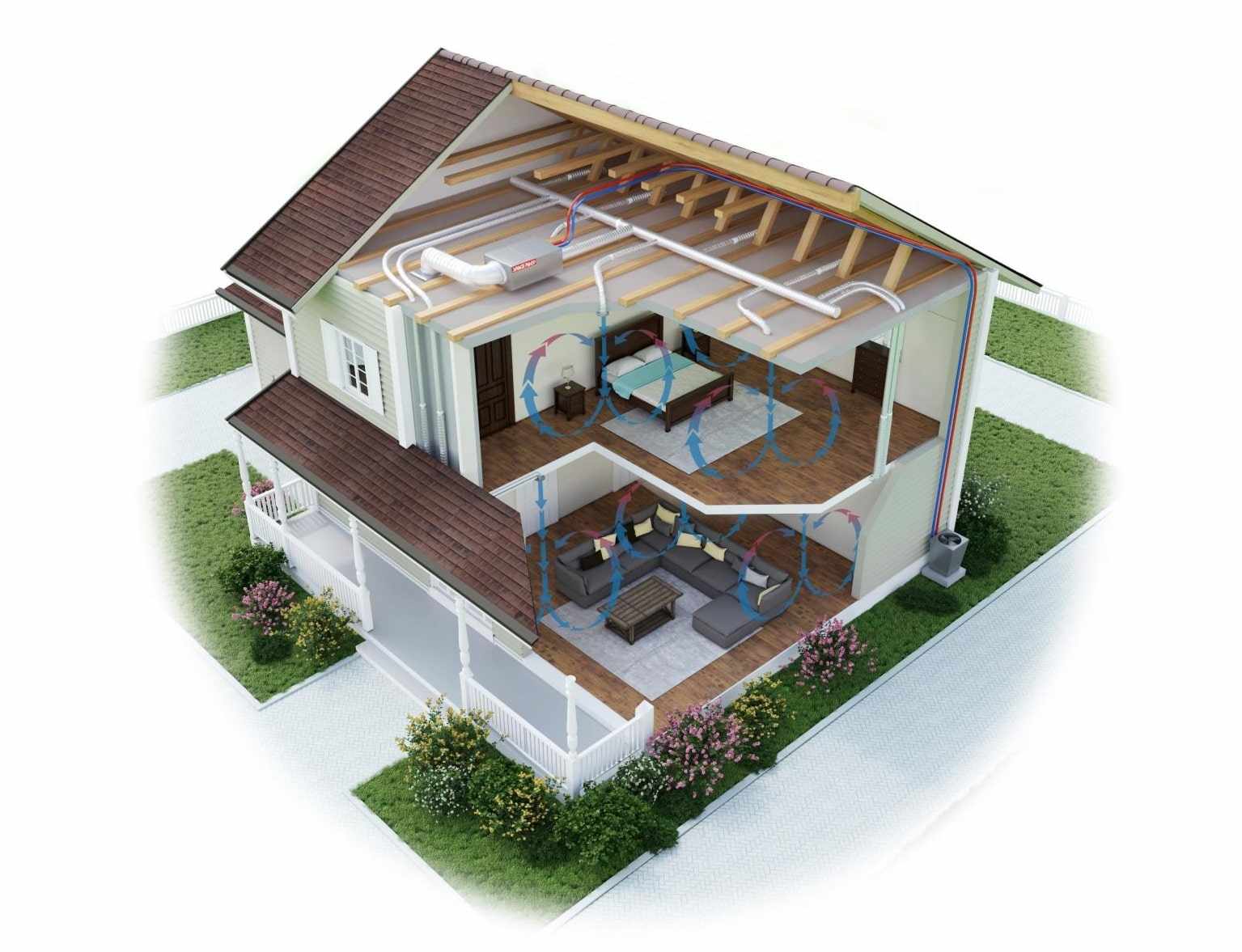
Many older houses and custom-built homes were never designed to hold large HVAC ducts. Installing traditional central air often requires tearing open ceilings, lowering soffits, and damaging architectural features. This is why homeowners look for alternatives that provide whole-home comfort without major renovation. A high velocity attic air conditioner offers a modern cooling solution that fits inside tight structural spaces while maintaining the appearance of the home. Instead of bulky metal ducts, the system uses compact equipment and small flexible tubing to distribute cool air evenly throughout every room.
What Makes the System Different
Traditional air conditioning systems move large volumes of slow-moving air through wide ducts. High-velocity systems take the opposite approach. They deliver small amounts of air at high speed through narrow tubes that can be routed through framing cavities.
Key design features include:
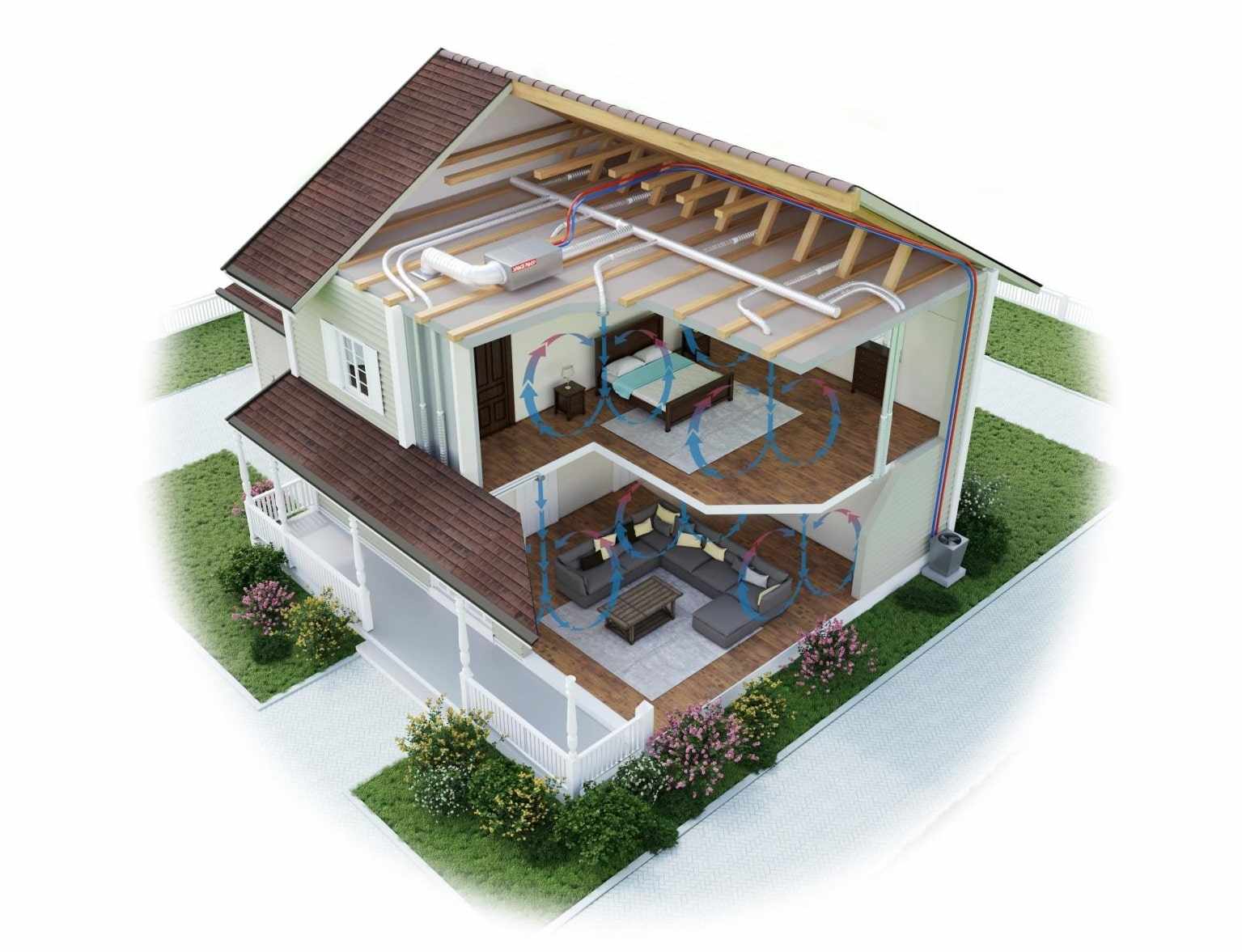
Compact air handler installed in attic or closet
Flexible mini-duct tubing only a few inches wide
Small round supply outlets
Even temperature distribution across rooms
Because of the reduced size, installation usually avoids structural reconstruction.
How Cooling Actually Works
Instead of blasting cold air into a room, the system uses a process called aspiration. Fast streams of cooled air mix with warm air already in the space. This creates uniform temperature rather than hot and cold spots.
Cooling cycle:
Warm indoor air is pulled into the air handler
Air passes over the cooling coil
Chilled air travels through mini-duct tubing
Small outlets release air at high velocity
Air circulation blends temperatures throughout the room
The result feels gentle and natural, more like the entire room gradually cools rather than air blowing directly onto people.
Ideal for Attic Installation
Attics provide hidden space that keeps equipment out of sight while allowing access above living areas. Since mini-ducts are flexible, they can snake through rafters and wall cavities easily.
Benefits of attic placement:
No wall demolition
Preserves decorative ceilings
Faster installation time
Reduced construction cost
Minimal disruption to daily living
This makes the system especially useful in historic homes and finished interiors.
Superior Humidity Control
A major advantage over conventional air conditioning is moisture removal. The system runs longer cooling cycles and moves air differently, extracting more humidity from indoor air.
Homeowners experience:
Less sticky air
Increased comfort
Reduced mold potential
Ability to set thermostat slightly higher
Even at warmer settings, rooms feel cooler due to balanced moisture levels.
Energy Efficiency Benefits
High-velocity cooling can lower energy waste in several ways.
1. Reduced Air Leakage
Smaller ducts have fewer seams, preventing conditioned air loss.
2. Consistent Temperature
Even airflow stops overcooling certain rooms.
3. Comfortable Higher Settings
Better humidity control reduces the need for extremely low temperatures.
These factors often lead to improved efficiency compared to retrofitted conventional systems.
Minimal Visual Impact
One of the biggest concerns during HVAC upgrades is aesthetics. Traditional installations often require visible bulkheads or dropped ceilings. High-velocity systems use small outlets about the size of a hockey puck that blend into floors, walls, or ceilings.
This preserves:
Crown molding
Plaster walls
Historic trim
Open ceiling designs
The home keeps its original character while gaining modern comfort.
Heating Compatibility
Many homeowners also use the system year-round. It can integrate with heat pumps or other heating equipment, providing both cooling and heating through the same tubing network.
This eliminates the need for separate ducted heating installations and maintains consistent airflow in every season.
Best Situations for This System
This type of cooling is ideal when:
The home has no ductwork
Renovations must be minimal
Architecture needs preservation
Even cooling is a priority
Humidity control is important
It’s particularly common in older multi-story homes and renovations where space is limited.
Conclusion
High-velocity attic systems redefine how central air conditioning can be installed. By using compact equipment, flexible tubing, and aspiration airflow, they cool homes evenly without damaging structure or design. They also improve humidity control, reduce installation impact, and maintain visual appeal. For houses where traditional ductwork isn’t practical, this technology provides full-home comfort while preserving the integrity of the building.

Write a comment ...